
Zimbabwe
United Kingdom
Australia
Beautiful
Black Boys
PANASHE NATHANIEL MUGAYAPI
Beautiful Black Boys is a photographic body of work that explores Black male beauty, vulnerability, and presence beyond the narrow frameworks through which Black men are often seen. The project centres portraiture as a tool for reclamation. Through this work, I aim to create space for Black boys and men to be seen as soft, complex, and worthy of care, rather than defined by stereotypes of strength, danger, or hypermasculinity.
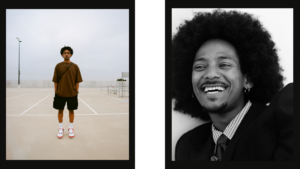
The inspiration for this project emerged from both personal experience and observation. Growing up as a Black boy across different cultural contexts, Zimbabwean by birth, raised in the UK, and now living in Australia. I became acutely aware of how Black male bodies are read differently depending on place. Across these environments, I noticed a recurring absence: images that celebrate Black boys simply existing, without performance or defence. This project began as a response to that absence. Undertaking Beautiful Black Boys at this point in my life felt urgent, as my practice has increasingly moved towards using photography as a means of challenging dominant visual narratives and contributing to a more expansive archive of Black representation.
One of the most difficult aspects of creating this work was navigating trust and vulnerability. Photographing Black boys and men in a way that resists objectification requires a high level of care and responsibility. Many participants brought their own lived experiences of being surveilled, misunderstood, or misrepresented. Creating an environment where they felt safe to be seen softly, honestly, and without performance was both emotionally and conceptually challenging. I overcame this by slowing the process down, prioritising conversation, and allowing collaboration to shape the images. Rather than directing rigid poses, I encouraged participants to inhabit themselves naturally. While this process was emotionally demanding, it was also deeply affirming, reinforcing the importance of patience and empathy in my practice.
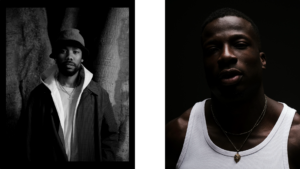
Through making this work, I learned that representation is not only about visibility, but about how someone is seen. I became more aware of my own responsibility as a Black photographer working with Black subjects particularly in resisting the urge to aestheticise pain or rely on familiar visual tropes. The project taught me to trust subtlety and stillness, and to value emotional truth over spectacle. It also deepened my understanding of photography as a relational process, where the image is shaped as much by trust and presence as by light or composition.
I hope Beautiful Black Boys offers audiences a moment of pause. Rather than asking viewers to consume the images quickly, I want the work to invite sustained looking and reflection. For Black viewers, I hope the project feels affirming a reminder that softness and beauty are not contradictions to strength. For non-Black audiences, I hope the work challenges internalised assumptions and encourages a more nuanced understanding of Black masculinity. Ultimately, I want the images to expand what feels possible in how Black boys are seen, both socially and visually.

This project represents an important shift in my practice towards long-form, conceptually driven work rooted in identity and representation. Moving forward, I intend to continue exploring themes of Blackness, intimacy, and visual authorship, while pushing the work into new formats such as film and publication. Beautiful Black Boys is not a conclusion, but a foundation one that will inform future projects focused on creating images that are honest, expansive, and deeply human.
Artist Bio
Born in Zimbabwe, raised in Liverpool (UK), and now based in Melbourne, Panashe Nathaniel Mugayapi is a photographer whose practice explores identity, culture, and representation through a deeply personal and socially engaged lens. His work reflects a transcontinental experience that bridges Zimbabwean heritage, British upbringing, and Australian life, shaping a distinctive visual language attuned to questions of belonging, resilience, and self-expression.
As a young African Australian photographer, Mugayapi’s practice celebrates and reclaims narratives often omitted from mainstream discourse. His ongoing series Beautiful Black Boys is a poignant tribute to the African Diaspora living in Melbourne, particularly those identified as boys and men.
This work looks to explore diversity and intimacy in ways that challenge prevailing stereotypes surrounding Black masculinity. Through his photography, Panashe invites audiences to reflect on the multiplicity of Black identity and the transformative potential of visibility. Each image becomes both documentation and dialogue a means of reframing how stories of race, culture, and community are told and seen.
